
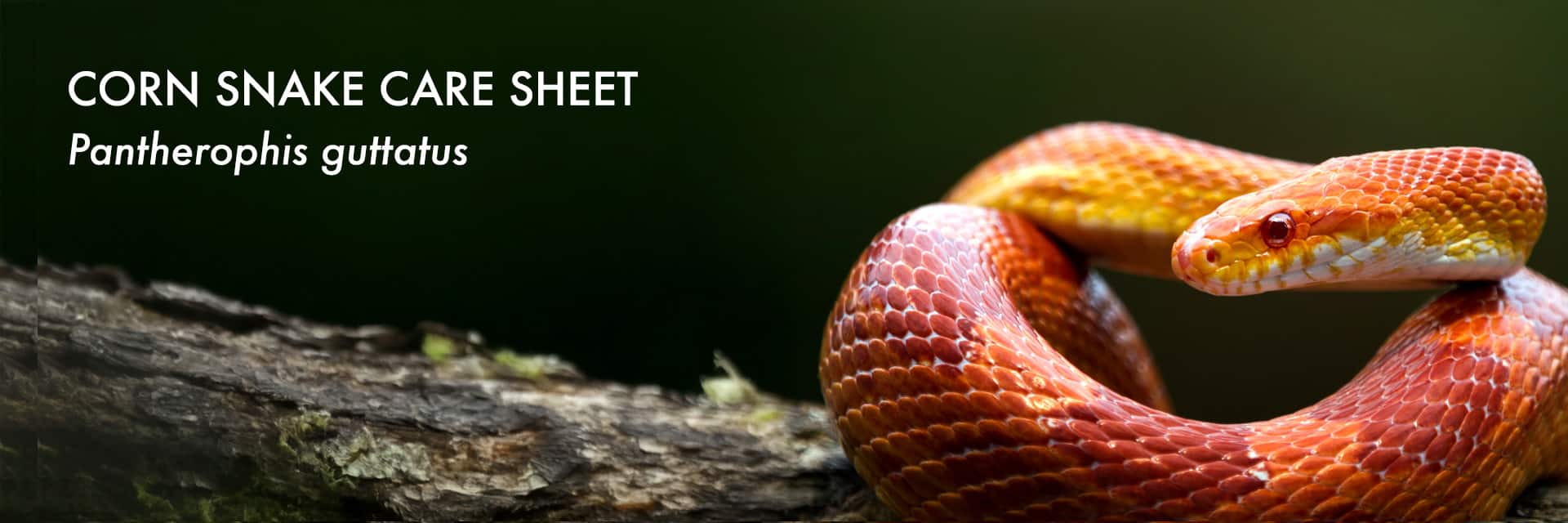
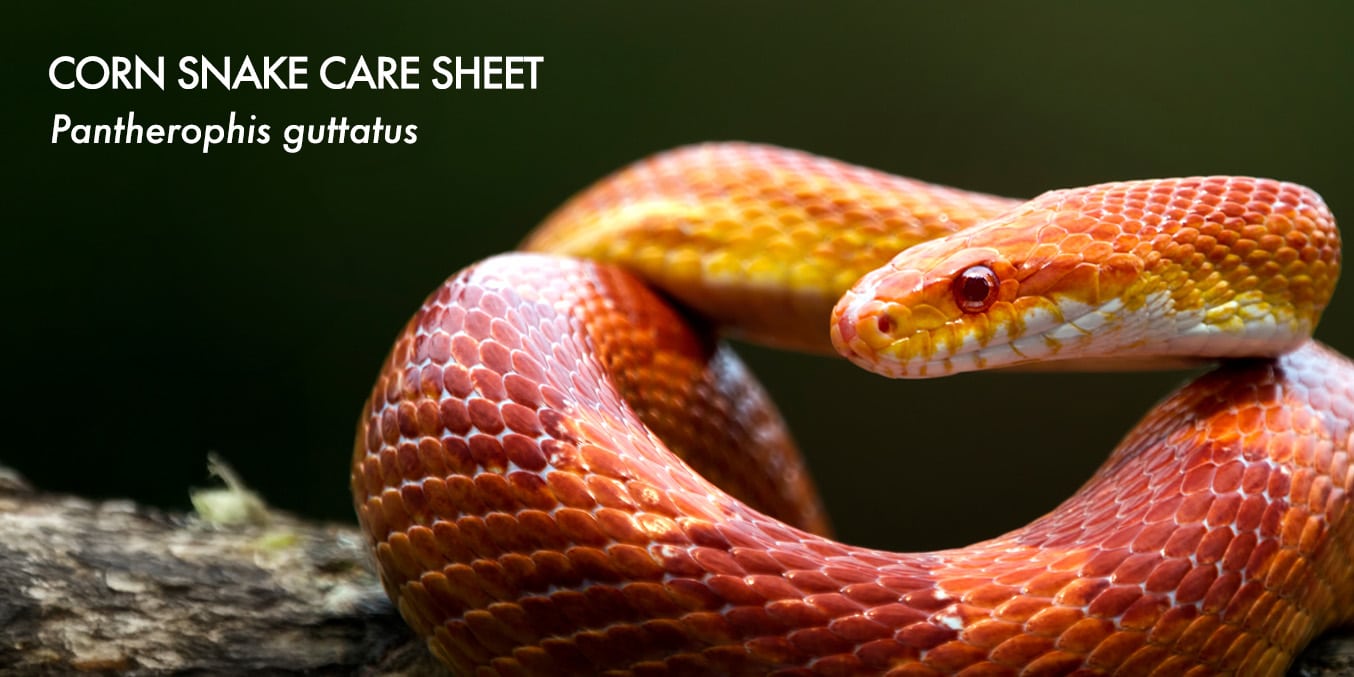
Corn Snake – Pantherophis guttatus
Corn Snakes are one of the most widely kept pet snakes in the UK, valued for their calm temperament, manageable size, and adaptability to captive life. This care sheet outlines the essential principles required to maintain a healthy, thriving Corn Snake, based on modern husbandry standards rather than outdated shortcuts.
At a Glance
Natural History & Behaviour
In the wild, Corn Snakes are native to the southeastern United States, inhabiting a wide range of environments including grasslands, woodlands, rocky outcrops, and agricultural areas.
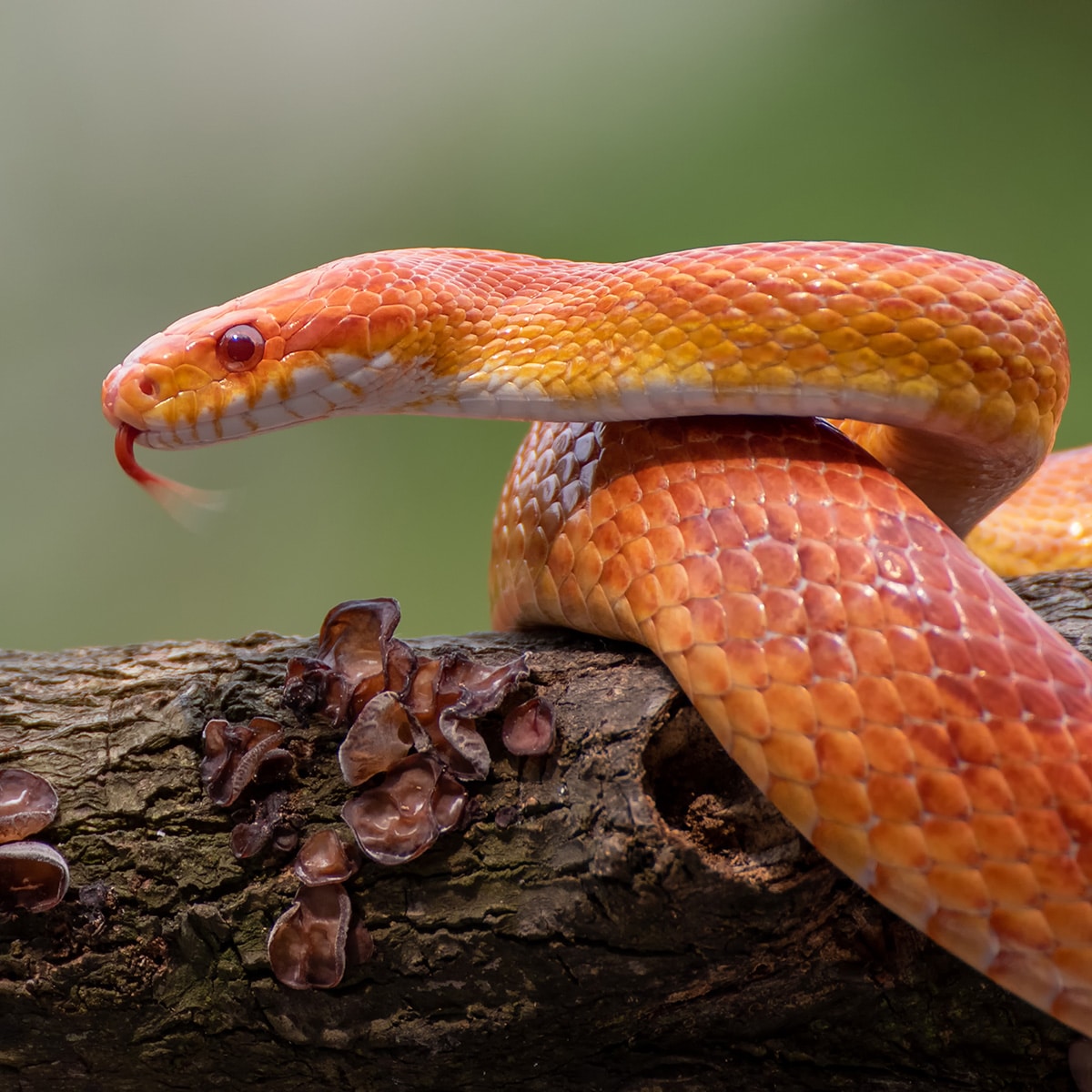
They are excellent climbers and opportunistic hunters, often sheltering in burrows, under logs, or within dense vegetation. Corn Snakes are primarily crepuscular, becoming most active during dawn and dusk.
Understanding their natural behaviour explains many captive requirements: they benefit from secure hiding places, a clear thermal gradient, and environments that allow both terrestrial and limited arboreal movement. When provided with appropriate cover and correct temperatures, Corn Snakes adapt extremely well to captivity.
Enclosure & Environment
Enclosure Size
Corn Snakes are active, inquisitive snakes that benefit from space to explore.
- Juveniles: Smaller enclosures may be used temporarily, but regular upgrades are essential
- Adults: A minimum enclosure size of 90 × 60 × 60 cm (3 × 2 × 2 ft) is recommended
- Larger enclosures are always beneficial where space allows
Front-opening vivariums are strongly preferred, as they reduce stress and make routine maintenance easier.
Layout & Substrate
A well-designed enclosure should provide:
- A clear warm side and cooler side
- At least two secure hides (warm and cool)
- Visual cover using décor, branches, or plants
- Opportunities for light climbing
Substrate choices should prioritise hygiene and safety. Suitable options include aspen, lignocel, or paper-based substrates. Loose substrates are appropriate when husbandry and temperatures are correct.
Heating & Lighting
Correct heating is the foundation of Corn Snake care.
Temperature Requirements
- Warm spot: 28–30 °C
- Warm side ambient: 24–26 °C
- Cool side ambient: 20–22 °C
- Night-time: Can drop to 18–20 °C
All heat sources must be controlled by a thermostat and monitored using reliable digital thermometers.
Recommended Equipment Types
- Overhead basking or radiant heat source. Suitable Basking Heat Lamps →
- Dimming or pulse thermostat
- Optional low-level UVB lighting
Equipment selection should be based on enclosure size, layout, and ambient room temperature.
Lighting & UVB
Corn Snakes do not require high-output UVB, but low-level UVB lighting is increasingly recognised as beneficial for overall health and natural behaviour.
If UVB is provided:
- Use a low-output T5 UVB system (2.5–7%) Suitable UVB Lighting Kit →
- Position at the manufacturer’s recommended distance
- Provide shaded areas so the snake can self-regulate exposure
UVB is not a substitute for correct heating but may support natural circadian rhythms and general wellbeing.
Diet & Supplements
Diet
Corn Snakes are obligate carnivores, feeding exclusively on appropriately sized whole prey.
Feeding Guidelines
- Hatchlings / juveniles: Small mice offered every 5–7 days
- Adults: Appropriately sized mice or rats every 7–14 days
Prey items should be no wider than the widest part of the snake’s body. Frozen-thawed prey is strongly recommended for safety and hygiene reasons.
Fresh water should always be available in a stable, tip-proof bowl large enough for soaking if desired.
Health, Hygiene and Handling
Cleaning Routine
- Daily: Spot-clean waste and refresh water
- Weekly: Clean bowls and inspect enclosure
- Monthly: Deep clean enclosure and décor using reptile-safe disinfectants. Suitable F10 veterinary disinfectants →
Good hygiene protects both the animal and the keeper. Balance cleanliness with stability as over-cleaning can be counterproductive — removing all familiar scent cues may increase stress, even in otherwise calm corn snakes.
Handling
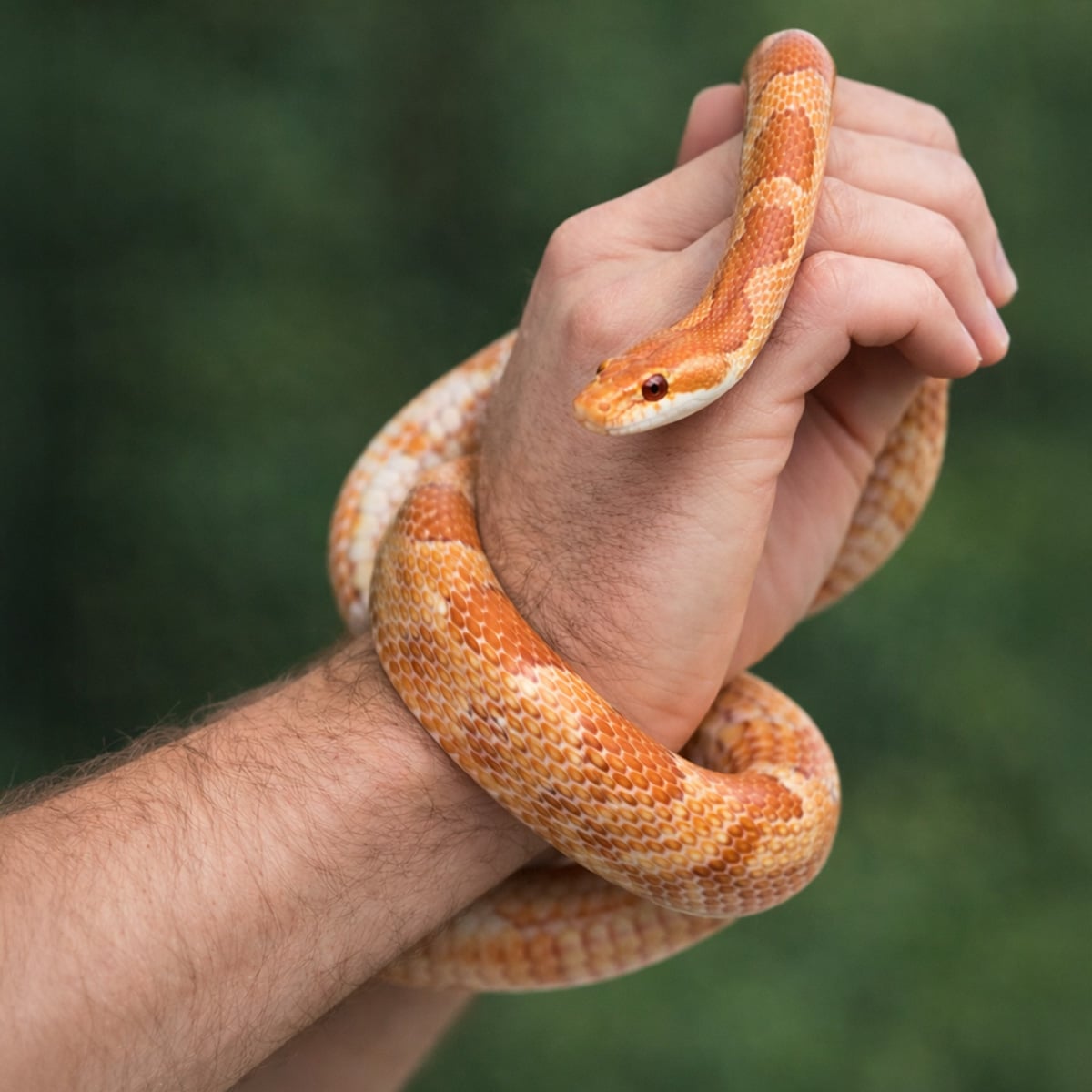
Corn Snakes generally tolerate handling well when acclimated.
- Allow at least 48 hours after feeding before handling
- Support the body fully and avoid sudden movements
- Regular, gentle handling helps maintain a calm temperament
Juveniles may be more nervous and benefit from shorter, less frequent sessions.
When to Seek Veterinary Advice
Contact a qualified reptile veterinarian if you observe:
- Persistent refusal to feed
- Weight loss or lethargy
- Respiratory symptoms (open-mouth breathing, wheezing)
- Retained shed
- Unusual swelling or discharge
Early intervention is always preferable.
Further Reading
Understanding UVB Lighting for Reptiles → A clear explanation of UVB lighting, intensity levels, and how UVB supports reptile health in captivity.
Understanding Full Spectrum Lighting for Reptiles → Learn how full spectrum lighting supports natural behaviour, activity patterns, and overall wellbeing in reptiles.
The Light and Shade Method → Learn about the importance of providing reptiles with a correct thermal gradient alongside appropriate UVB and full spectrum lighting.
Choosing The Correct Thermostat → With multiple types of thermostats available, this guide explains the differences and helps you select the most suitable option for controlling reptile environments.
Final Note
A Corn Snake kept with correct heating, secure enclosure design, and appropriate feeding will reward its keeper with decades of calm, fascinating behaviour.
Providing structure, stability, and understanding from the outset is the single most important factor in successful long-term Corn Snake care.