
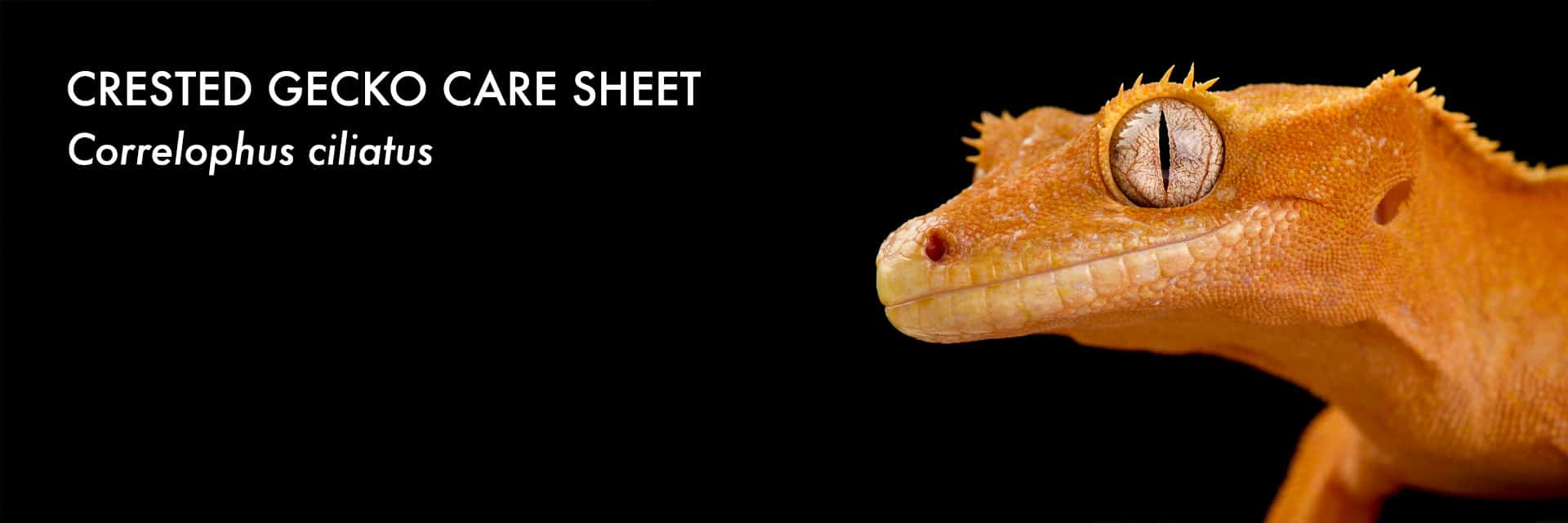
Crested Gecko – Correlophus ciliatus
Crested Geckos are one of the most popular pet geckos in the UK, known for their calm nature, simple dietary needs, and fascinating arboreal behaviour. This care sheet outlines the essential principles required to keep a healthy, thriving Crested Gecko, based on modern husbandry standards and evidence-based care.
At a Glance
Natural History & Behaviour
In the wild, Crested Geckos are native to New Caledonia, living in humid forests and shrubland where they climb, hide, and forage at dusk and overnight.
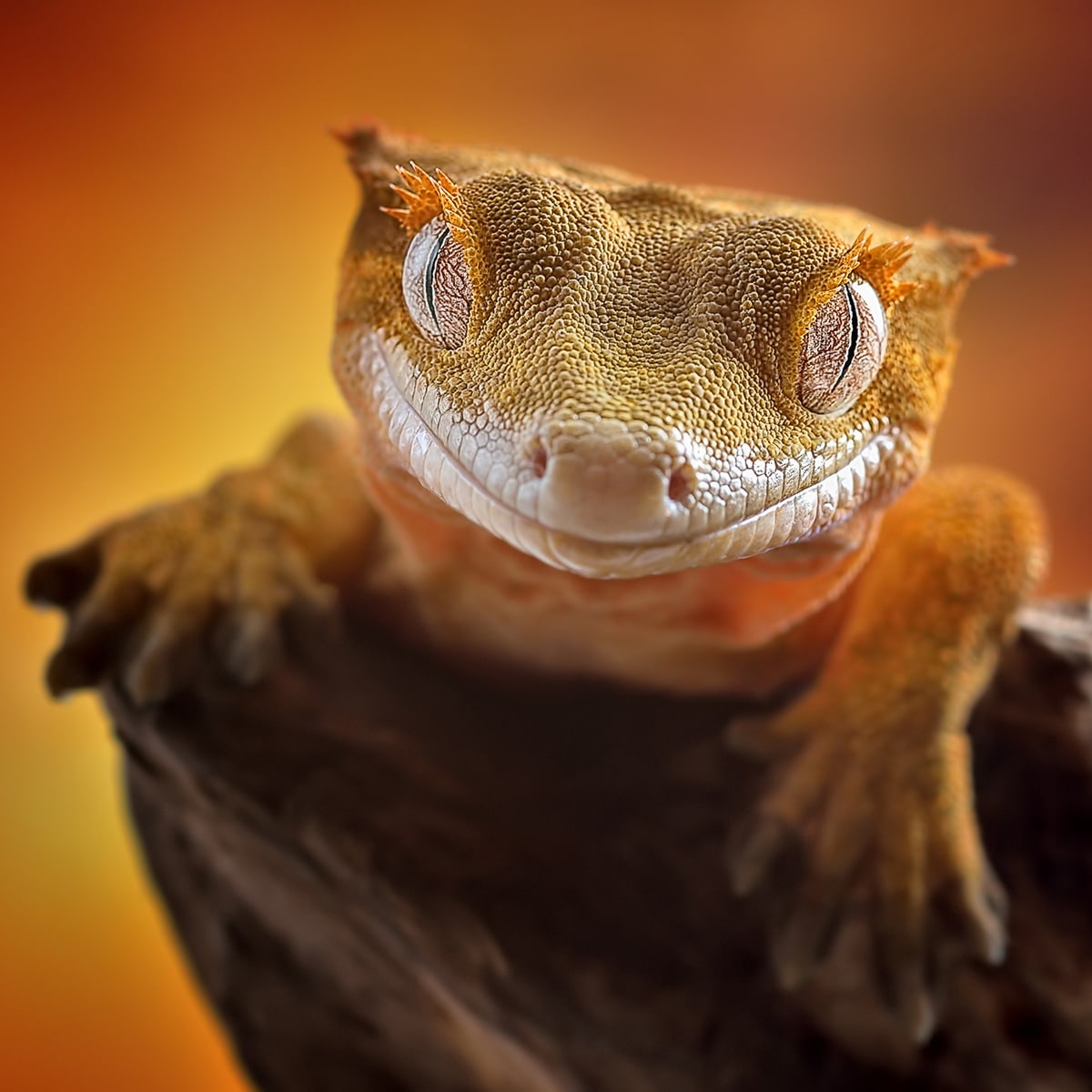
They are arboreal, meaning they naturally spend much of their time off the ground on branches, cork bark, and foliage. Their captive setup should prioritise vertical height, dense cover, and climbing structure. Crested Geckos are not typically “basking reptiles” like Bearded Dragons, but they still benefit from a stable temperature range, gentle light cycles, and appropriate UVB.
Understanding their nocturnal habits helps explain their needs: security, humidity management, and a diet suited to fruit-based feeding.
Enclosure & Environment
Enclosure Size
Crested Geckos need vertical space to climb and feel secure.
- Juveniles: Smaller enclosures can be used temporarily, but upgrades are often needed as they grow.
- Adults: A minimum adult enclosure of 45 × 45 × 60 cm is recommended. Larger is always beneficial where space allows.
Front-opening vivariums are strongly preferred for easier routine maintenance and reduced stress.
Layout & Substrate
A well-designed enclosure should provide:
- Vertical climbing structure (cork tubes, branches, ledges)
- Dense foliage and visual cover
- Multiple hides at different heights
- A feeding ledge positioned up high
- Good ventilation to avoid stagnant air
Substrate choice should prioritise hygiene and safety. For beginners or juveniles, paper towel can be a great option for monitoring feeding and droppings. Bioactive or loose substrates can work well when humidity and ventilation are correctly balanced, but should be set up carefully.
Heating & Lighting
Crested Geckos thrive with moderate temperatures and do not tolerate overheating.
Temperature Requirements
- Cool area: 20–22 °C
- Warm area: 24–26 °C
- Night-time: Can drop to 18–22 °C naturally
Avoid sustained temperatures above 28 °C — overheating is one of the most common causes of problems in Crested Gecko care.
Temperatures should be controlled using a thermostat where heat is applied, and measured using reliable digital thermometers.
Recommended Equipment Types
- Low-wattage heat source (only if your room drops too cool)
- Thermostat (essential whenever heat is used)
- LED lighting for daylight cycle / plant growth (optional but beneficial)
Equipment selection should be based on enclosure size, layout, and ambient room temperature.
Lighting & UVB
Crested Geckos benefit from low-level UVB, which supports natural behaviours and helps maintain a healthy day/night rhythm.
UVB lighting should:
- Be low output (commonly 2–7% UVB / ShadeDweller type)
- Run on a consistent daylight schedule
- Be positioned at a safe distance per manufacturer guidance
- Be replaced at appropriate intervals, even if the lamp still appears bright
Crested Geckos prefer shaded, covered areas, so the enclosure should always include plenty of cover and retreats.
Diet & Supplements
Diet
Crested Geckos are primarily fruit-based omnivores. A complete powdered meal replacement diet is the foundation of feeding, with insects offered as a valuable supplement.
Juveniles
- Complete Crested Gecko Diet: offered frequently (most keepers feed 4–6 nights per week)
- Insects: small, appropriately sized live insects offered 1–2 times per week (optional but beneficial)
- Fresh water available daily
Adults
- Complete Crested Gecko Diet: typically 3–4 nights per week (adjust by appetite and body condition)
- Insects: offered occasionally for enrichment and extra protein
Browse our Crested Gecko Foods range for complete diets, powdered meal replacements and feeding options suitable for juvenile and adult geckos.
Diet should be presented in a shallow dish on a feeding ledge. Remove old food and refresh regularly.
For specialist fruit-based meal replacement formulas, see our Repashy Gecko Diets range.

Supplements
If feeding a complete Crested Gecko diet as the main food, supplementation is usually minimal. If you feed insects:
- Calcium: lightly dust insects (frequency depends on UVB use and overall diet)
- Multivitamin: used less frequently according to manufacturer guidance
Good nutrition is far more about consistency and correct temperatures than adding extra powders.
Health, Hygiene and Handling
Cleaning Routine
- Daily: Remove waste, refresh water, wipe feeding ledges if needed
- Weekly: Clean bowls/ledges and spot-clean glass
- Monthly: Deep clean enclosure and décor using reptile-safe disinfectant suitable F10 veterinary disinfectants →
Good hygiene protects both the animal and the keeper. Balance cleanliness with stability — avoid overly frequent full strip-downs that remove all scent and increase stress.
Handling
Crested Geckos can be handled, but interaction should be calm and brief:
- Support the body and allow them to walk hand-to-hand
- Avoid grabbing from above
- Be aware they can jump suddenly
Handling is best kept to short sessions, especially for juveniles.
When to Seek Veterinary Advice
Contact a qualified reptile veterinarian if you observe:
- Persistent loss of appetite / significant weight loss
- Lethargy or weakness
- Abnormal shedding (stuck shed repeatedly)
- Swelling, wounds, or mouth issues
- Persistent diarrhoea or unusual droppings
Early intervention is always preferable.
Further Reading
Why Calcium Is Important For Reptiles → Understand the role of calcium supplementation and the vitamin D₃ cycle in supporting reptile bone health and long-term wellbeing.
Understanding UVB Lighting for Reptiles → A clear explanation of UVB lighting, intensity levels, and how UVB supports reptile health in captivity.
Understanding Full Spectrum Lighting for Reptiles → Learn how full spectrum lighting supports natural behaviour, activity patterns, and overall wellbeing in reptiles.
The Light and Shade Method → Learn about the importance of providing reptiles with a correct thermal gradient alongside appropriate UVB and full spectrum lighting.
Choosing The Correct Thermostat → With multiple types of thermostats available, this guide explains the differences and helps you select the most suitable option for controlling reptile environments.
Final Note
A Crested Gecko kept with stable temperatures, correct humidity management, a secure enclosure layout, and a consistent complete diet will reward its keeper with years of calm, fascinating behaviour and excellent health.
Investing time in getting the enclosure setup correct from the outset is the most important factor for successful long-term care.