
Why Calcium Is Important for Reptiles
Calcium plays a critical role in reptile health, supporting bone development, muscle function, nerve signalling, and metabolic processes. In captivity, calcium imbalance is one of the most common causes of preventable illness, particularly when nutrition and lighting are not correctly aligned.
This guide explains why calcium matters, how reptiles use it, and why UVB lighting and diet must work together to prevent long-term health problems.
At a Glance
The Role of Calcium in the Reptile Body
Calcium is required for far more than just bones.
In reptiles, calcium is essential for:
- Skeletal growth and bone strength
- Muscle contraction and normal movement
- Nerve transmission
- Blood clotting
- Egg production in breeding females
Calcium is stored primarily in the skeleton but is continuously released into the bloodstream to support normal bodily function.
When blood calcium levels fall too low, a condition known as hypocalcaemia can develop. Early signs may include lethargy, weakness, poor coordination, or muscle tremors.
Calcium Deficiency and Metabolic Bone Disease (MBD)
If dietary calcium intake is insufficient — or if calcium cannot be properly absorbed — the body will begin to withdraw calcium from the bones to maintain blood levels.
Over time, this leads to Metabolic Bone Disease (MBD), a serious and potentially irreversible condition.
MBD can cause:
- Soft or deformed bones
- Poor growth in juveniles
- Limb swelling or fractures
- Jaw deformities
- Spinal curvature
- Reduced mobility and chronic pain
Growing reptiles are especially vulnerable, as calcium demand is highest during periods of rapid skeletal development.
Long-term calcium imbalance can also disrupt hormonal regulation involving the parathyroid glands, further compounding metabolic problems.
Calcium Alone is not Enough
Providing calcium supplements alone does not prevent calcium deficiency.
For reptiles to absorb and utilise calcium effectively, they must also be able to synthesise vitamin D₃.
Vitamin D₃ enables calcium uptake from the gut into the bloodstream. Without it, calcium passes through the digestive system unused — regardless of how much is supplied in the diet.
The Critical Role of UVB Lighting
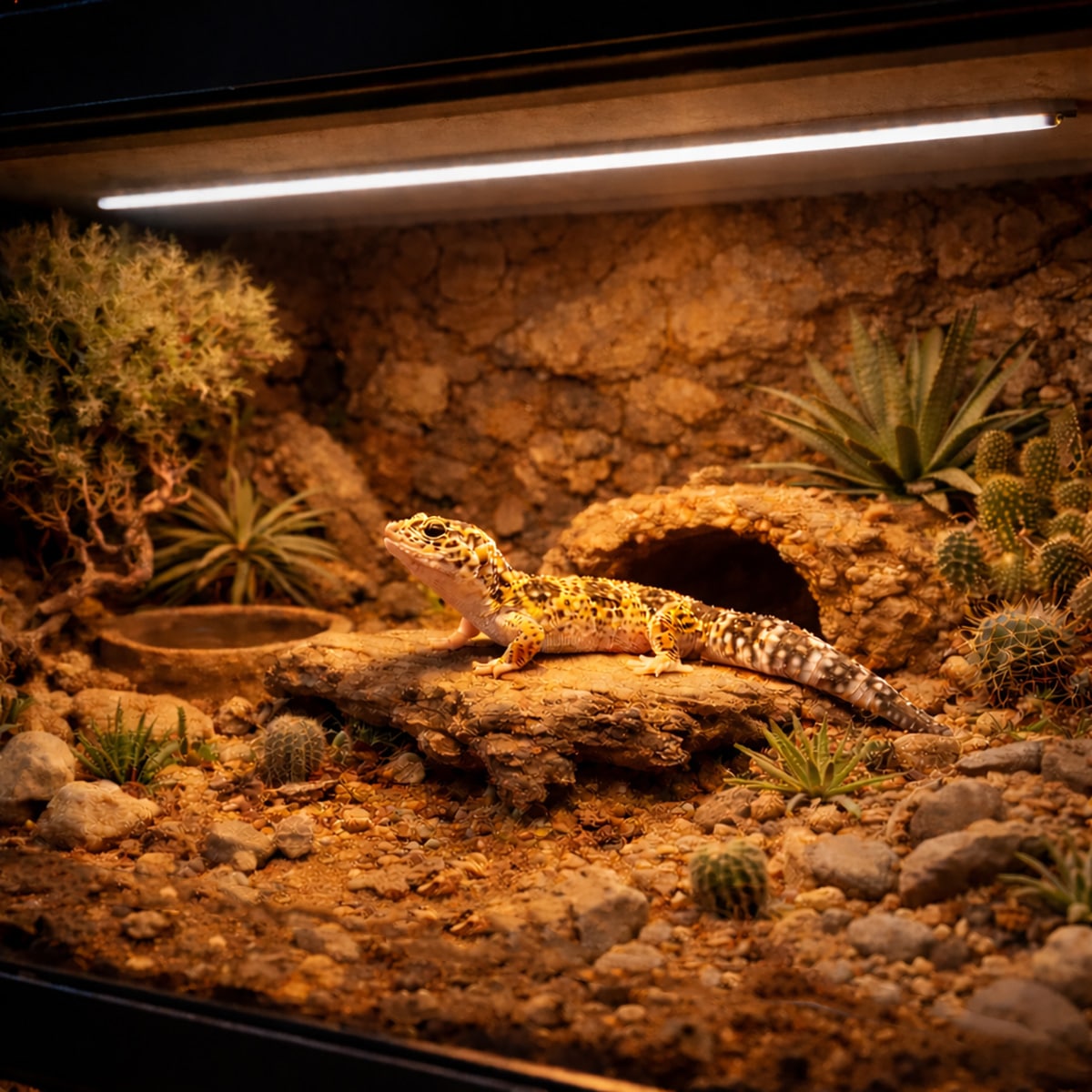
In most reptile species, vitamin D₃ is synthesised naturally when the skin is exposed to UVB radiation.
Without appropriate UVB lighting:
- Vitamin D₃ levels fall
- Calcium absorption is impaired
- The risk of MBD increases significantly
This is why correct UVB lighting is a foundational requirement, not an optional upgrade.
Effective calcium metabolism depends on:
- Species-appropriate UVB output
- Correct lamp placement and distance
- Proper replacement intervals (even if the lamp still appears bright)
Dietary supplementation and lighting must always be considered together.
Dietary Calcium and Supplementation
In captivity, natural dietary calcium levels are often lower than those found in wild prey and forage.
Supplementation helps correct this imbalance, particularly for:
- Insectivorous reptiles
- Rapidly growing juveniles
- Breeding females
Calcium supplements are typically applied by lightly dusting food items or insects. The frequency and formulation should be matched to the species, life stage, and UVB exposure provided.
Over-supplementation can also be harmful, so balance and consistency are key.
Choosing the Right Calcium Supplement
Different reptiles have different nutritional requirements, and no single supplement is suitable for every situation.
Factors to consider include:
- Species and natural diet
- Presence and strength of UVB lighting
- Life stage (juvenile vs adult)
- Whether additional vitamins or trace minerals are required
Some supplements provide calcium alone, while others include added vitamins and vitamin D3. These should be used thoughtfully and as part of a structured feeding regime.
Where UVB provision is appropriate, plain calcium supplements are often used separately, while calcium + D3 supplements may be considered where additional vitamin D3 support is needed.
If you are unsure which approach is appropriate, it is always better to seek advice rather than guess.
Further Reading
Understanding UVB Lighting for Reptiles → A clear explanation of UVB lighting, intensity levels, and how UVB supports reptile health in captivity.
Understanding Full Spectrum Lighting for Reptiles → Learn how full spectrum lighting supports natural behaviour, activity patterns, and overall wellbeing in reptiles.
The Light and Shade Method → Learn about the importance of providing reptiles with a correct thermal gradient alongside appropriate UVB and full spectrum lighting.
Choosing The Correct Thermostat → With multiple types of thermostats available, this guide explains the differences and helps you select the most suitable option for controlling reptile environments.
Key Takeaway
Calcium deficiency is rarely caused by a single factor.
Healthy calcium metabolism depends on:
- Adequate dietary calcium
- Correct UVB lighting
- Appropriate supplementation strategy
- Species-specific husbandry
When these elements work together, reptiles are far less likely to develop metabolic bone disease and can thrive long-term in captivity.
For keepers who want to understand the science behind UVB, nutrition and MBD, Arcadia’s reptile books provide the full research background Arcadia Reptile Books →