Understanding UVB Lighting for Reptiles
UVB lighting plays a critical role in reptile health, yet it is one of the most misunderstood aspects of captive reptile care.
In the wild, reptiles are exposed to natural sunlight, which provides ultraviolet radiation essential for vitamin D₃ synthesis, calcium metabolism, skeletal development, and long-term wellbeing. In captivity, this natural process does not occur unless appropriate UVB lighting is deliberately provided.
This guide explains what UVB lighting is, why it matters, the different types of UVB bulbs available, how long they last, and how to choose the correct UVB strength for commonly kept species. When implemented correctly, UVB lighting forms a foundational part of safe, long-term reptile husbandry.
At a Glance
What is UVB Lighting?
Ultraviolet light is part of the natural sunlight spectrum and is divided into three bands: UVA, UVB, and UVC.
- UVA influences behaviour, vision, and activity
- UVB enables vitamin D₃ synthesis
- UVC is harmful and filtered out by the atmosphere
For reptiles, UVB is essential. When UVB radiation reaches the skin, it triggers the production of vitamin D₃, which allows calcium to be absorbed from the diet and utilised by the body.
Without adequate UVB exposure, reptiles may consume calcium but remain unable to use it effectively.
Why UVB Is Essential for Reptiles
UVB lighting underpins several vital biological processes:
- Calcium metabolism – Without vitamin D₃, dietary calcium passes through unused
- Skeletal development – Especially critical for juveniles and growing animals
- Muscle and nerve function – Calcium is required beyond bone health
- Long-term disease prevention – Including metabolic bone disease
Inadequate UVB exposure is one of the most common contributing factors to preventable health issues in captive reptiles.
UVB Lightning and Calcium: How They Work Together
UVB lighting and calcium supplementation are not interchangeable — they are interdependent.
Calcium must be:
- Present in the diet
- Absorbed in the gut
- Transported and deposited correctly
Vitamin D₃, produced through UVB exposure, is what enables this process to occur.
Providing calcium without UVB does not prevent deficiency.
Providing UVB without dietary calcium is equally ineffective.
This is why UVB lighting, calcium supplementation, and correct thermal conditions must always be considered together.
Where UVB provision is appropriate, plain calcium supplements are often used separately, while calcium + D3 supplements may be considered where additional vitamin D3 support is needed.
Types of UVB Bulbs
There are several types of UVB lighting commonly used in reptile enclosures. Each has advantages and limitations depending on species, enclosure size, and setup.
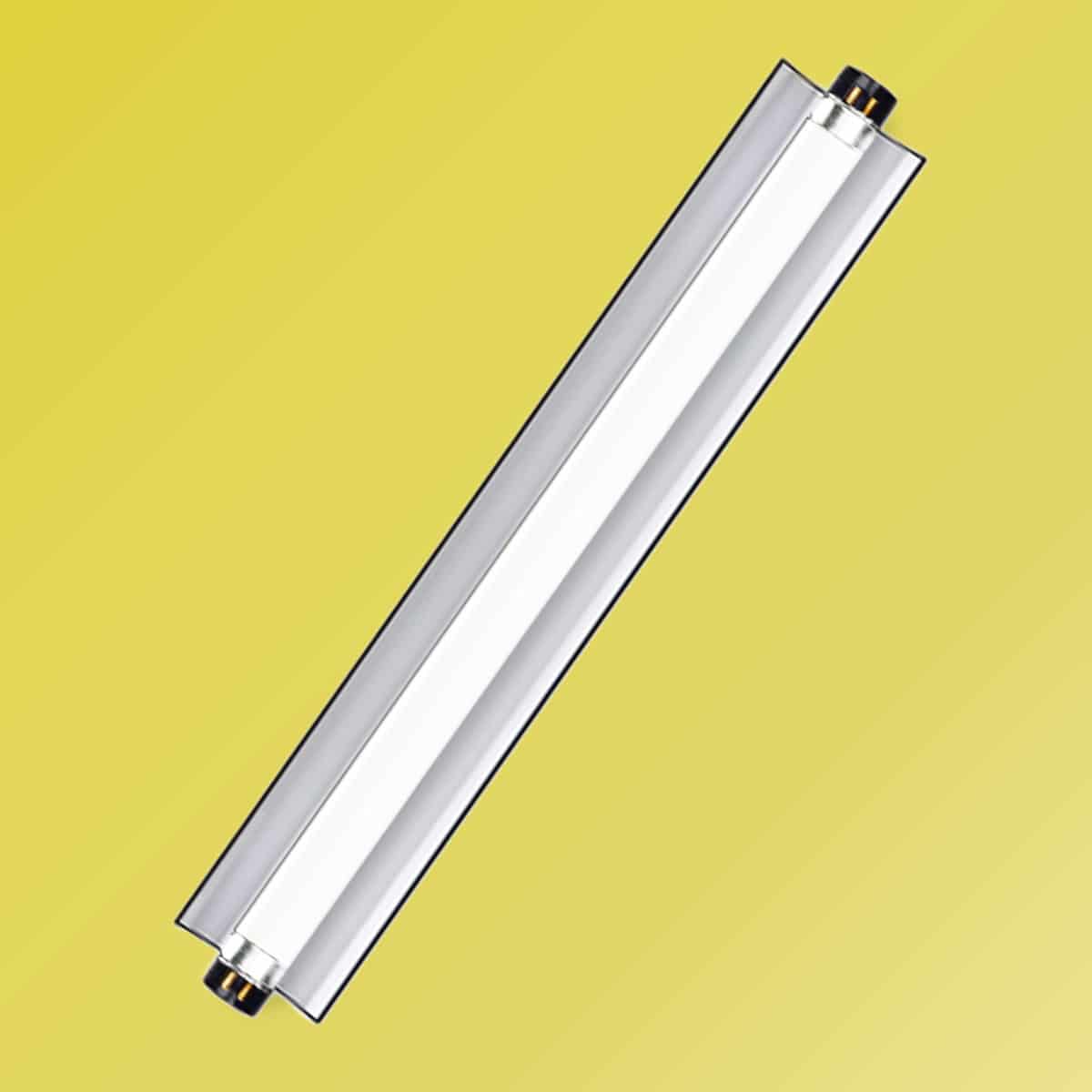
T5 High Output UVB Tubes with Reflector
- Provides the strongest and most consistent UVB output
- Reflector directs UVB downward, maximising usable exposure
- Creates a clear UV gradient across the enclosure
- Ideal for medium to large enclosures and most diurnal species
- Supports modern Light & Shade and zoned UVB setups
- Considered the preferred UVB system for most reptiles
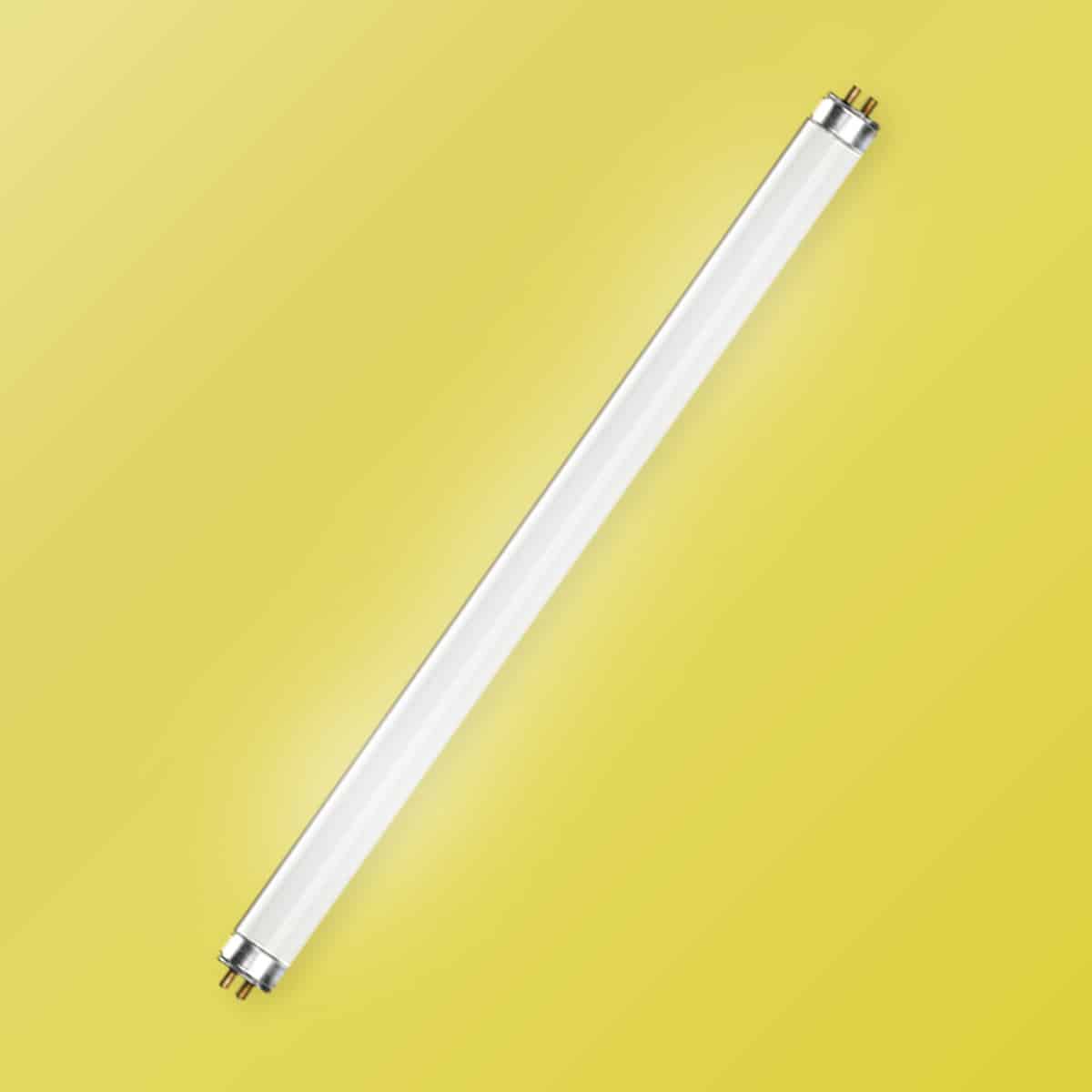
T5 High Output UVB Tubes
- Most consistent and reliable UVB output
- Ideal for medium to large enclosures
- Even UV spread across basking zones
- Longer effective lifespan
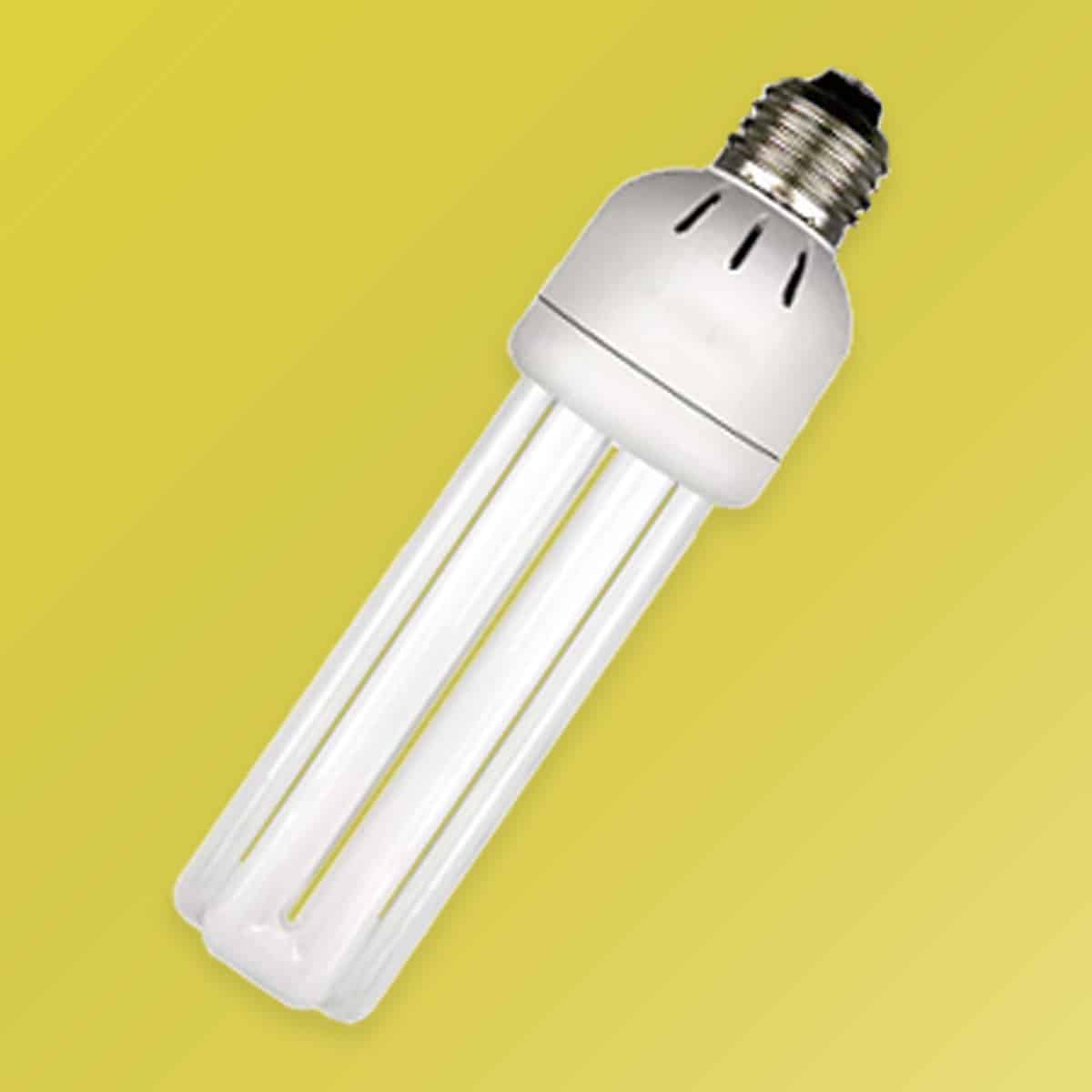
Compact UVB Lamps
- Suitable for small or temporary setups
- Limited UV coverage compared to linear tubes
- Not recommended as a sole UVB source for most species
Mercury Vapour Lamps
- Suitable for large, open enclosures
- Combined heat and UV output
- Limited control over UV intensity
- Not recommended for most modern vivarium setups
Explore Mercury Vapour Lamps →
Choosing the correct type, output, and length is essential for safe and effective UVB provision.
How Long Do UVB Bulbs Last
UVB bulbs degrade over time, even if they still appear bright to the human eye.
Typical replacement guidelines:
- T5 UVB tubes: every 12 months
- Compact UVB lamps: every 6 months
As UVB output declines, reptiles may receive insufficient exposure without any visible indication of failure. Visible light output does not indicate UVB effectiveness. Regular replacement is therefore essential for long-term health.
Recommended UVB Levels By Species
| Species | Recommended UVB % | Natural Exposure Type | Notes |
|---|---|---|---|
| Bearded Dragon | 10–14% UVB | High exposure basking species | Strong UVB required over basking zone with access to shade |
| Hermann’s Tortoise | 10–12% UVB | High exposure, open habitat | Essential for shell and bone development |
| Leopard Gecko | 2.5–7% UVB | Low exposure / crepuscular | Low-level UVB beneficial when combined with shaded areas |
| Crested Gecko | 2.5–7% UVB | Low exposure, arboreal shade-dweller | UVB optional but recommended in modern setups |
| Corn Snake | 2.5–6% UVB | Low exposure, secretive species | Low-level UVB may offer benefits |
These values are general guidelines. UVB output at the animal’s level is influenced by enclosure height, reflector quality, distance, and the presence of mesh or guards. Always ensure reptiles can move freely between light and shade.
UVB Placement & Distance Basics
Correct UVB placement is just as important as choosing the correct bulb strength.
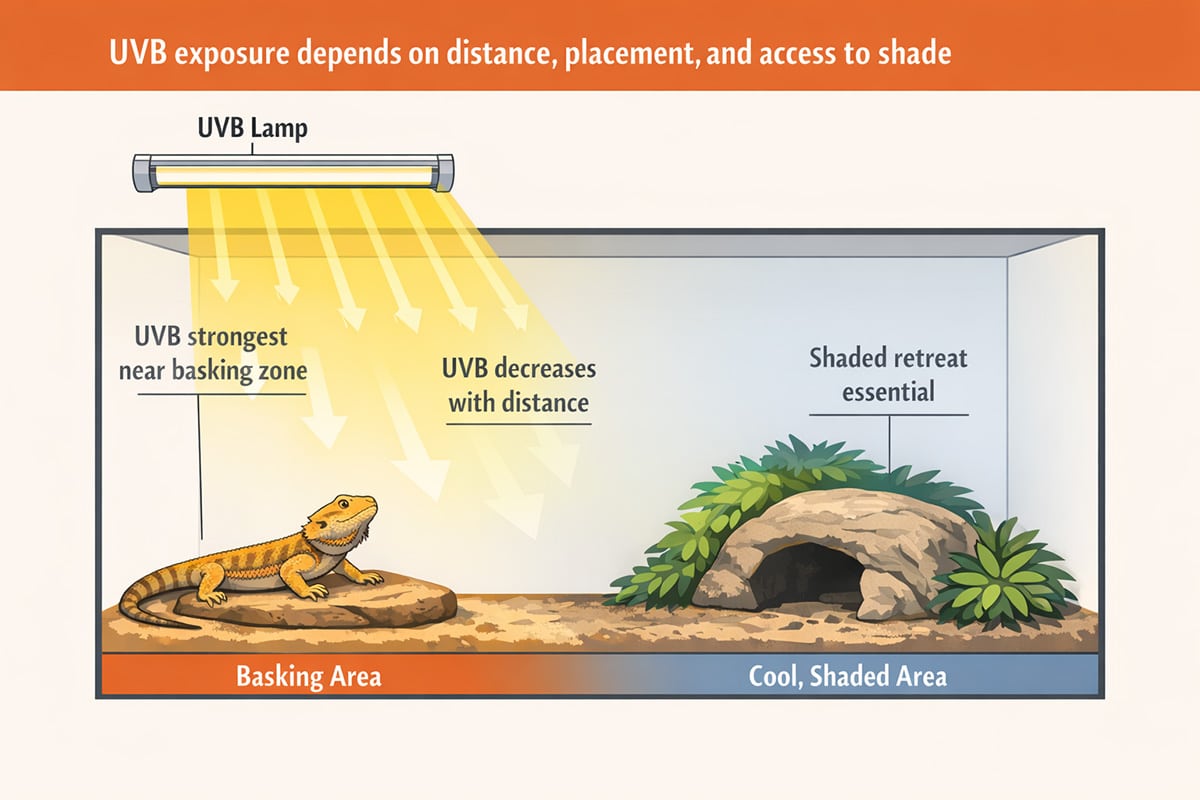
UVB output decreases rapidly with distance, and the amount of usable UVB that reaches the reptile depends on several factors, including bulb type, reflector quality, enclosure height, and whether the light is mounted above mesh.
General placement principles:
- UVB lighting should be positioned above the primary basking area
- The reptile should be able to move freely between areas of light and shade
- UVB should never cover the entire enclosure uniformly
- A shaded retreat must always be available
Mesh lids and guards can significantly reduce UVB output. When UVB lighting is mounted above mesh, a stronger bulb or reduced distance may be required to achieve effective exposure at the animal’s level.
Always follow manufacturer guidance for minimum and maximum distances, and avoid mounting UVB lamps too close to the animal, as excessive exposure can be harmful.
Common UVB Mistakes
Even when the correct UVB bulb is selected, mistakes in setup can limit its effectiveness or create unnecessary risk.
Incorrect Distance
Mounting UVB bulbs too far from the basking zone can result in negligible exposure, while placing them too close may lead to overexposure. Distance should always be adjusted based on bulb type and enclosure height.
Mesh Blocking UVB
Metal mesh and guards can block a significant portion of UVB radiation. If UVB lighting is mounted above mesh, its output at ground level may be substantially reduced without any visible indication.
Over-Lighting the Enclosure
UVB should be provided as part of a gradient, not a blanket. Enclosures with no shaded areas prevent reptiles from self-regulating their exposure and can cause avoidance behaviour or stress.
Infrequent Bulb Replacement
UVB bulbs lose output over time even when they still emit visible light. Failing to replace bulbs at recommended intervals can result in long-term deficiency without obvious warning signs.
Relying on UVB Alone
UVB lighting must work alongside appropriate heat sources, calcium supplementation, and correct enclosure design. UVB is not effective in isolation.
When UVB lighting is correctly selected, positioned, and maintained, it becomes a reliable and safe foundation for long-term reptile health.
UVB Safety & Best Practice
When used correctly, UVB lighting is safe and highly beneficial. Problems typically arise from incorrect placement, unsuitable equipment, or lack of maintenance rather than from UVB itself.
Best practice guidelines:
- Always provide access to shade and cover so reptiles can regulate their own exposure
- Avoid mounting UVB lamps at distances closer than manufacturer recommendations
- Use appropriate guards or fixtures to prevent direct contact with bulbs
- Ensure UVB lighting does not cover the entire enclosure uniformly
- Replace UVB bulbs at recommended intervals, even if they still appear bright
UVB lighting should be considered as part of a complete system that includes appropriate heat sources, enclosure layout, and dietary supplementation. No single component functions effectively in isolation.
By following established best practices and monitoring your setup regularly, UVB lighting can be provided safely and consistently over the long term.
Further Reading
Why Calcium Is Important For Reptiles → Understand the role of calcium supplementation and the vitamin D₃ cycle in supporting reptile bone health and long-term wellbeing.
Understanding Full Spectrum Lighting for Reptiles → Learn how full spectrum lighting supports natural behaviour, activity patterns, and overall wellbeing in reptiles.
The Light and Shade Method → Learn about the importance of providing reptiles with a correct thermal gradient alongside appropriate UVB and full spectrum lighting.
Choosing The Correct Thermostat → With multiple types of thermostats available, this guide explains the differences and helps you select the most suitable option for controlling reptile environments.
Final Thoughts
UVB lighting is a fundamental component of modern reptile care, supporting vitamin D₃ synthesis, calcium metabolism, and long-term skeletal health. When provided correctly, it allows reptiles to regulate their own exposure in a way that closely mirrors natural behaviour.
Choosing the correct UVB bulb strength, positioning it appropriately, and replacing it at recommended intervals are all essential steps. Equally important is ensuring that UVB lighting works alongside proper heating, enclosure design, and dietary supplementation.
By understanding how UVB functions and applying it thoughtfully within a balanced setup, keepers can create safer, more natural environments that support the long-term health and wellbeing of their reptiles.
For keepers who want to understand the science behind UVB, nutrition and MBD, Arcadia’s reptile books provide the full research background Arcadia Reptile Books →