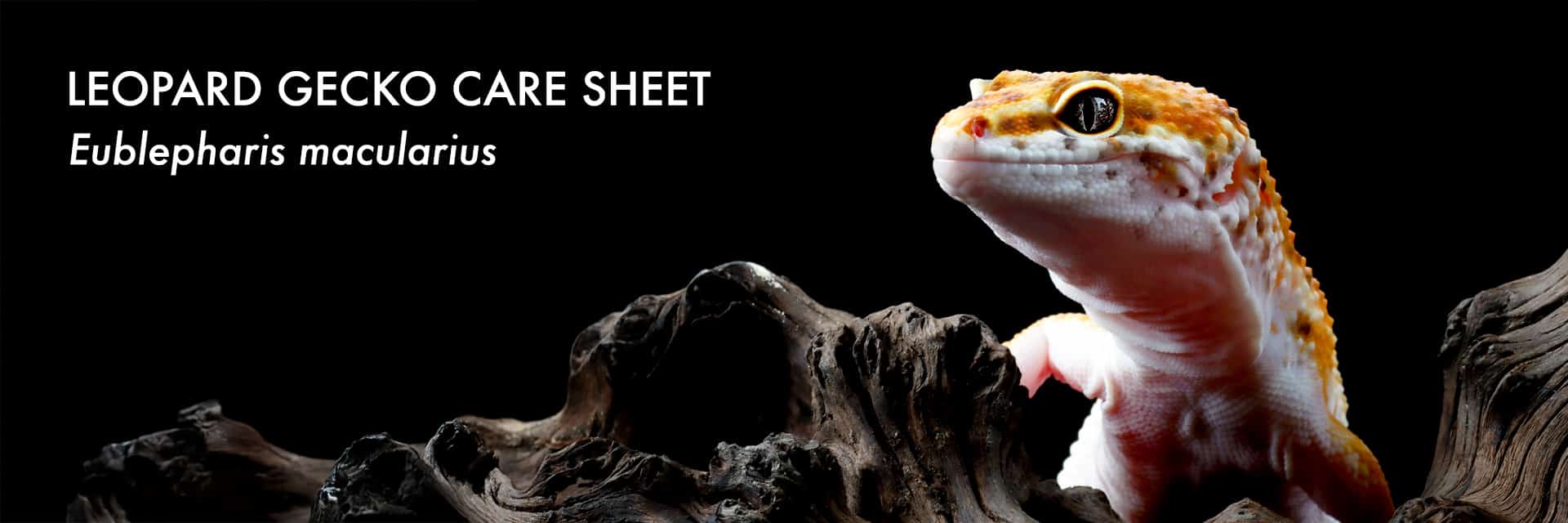
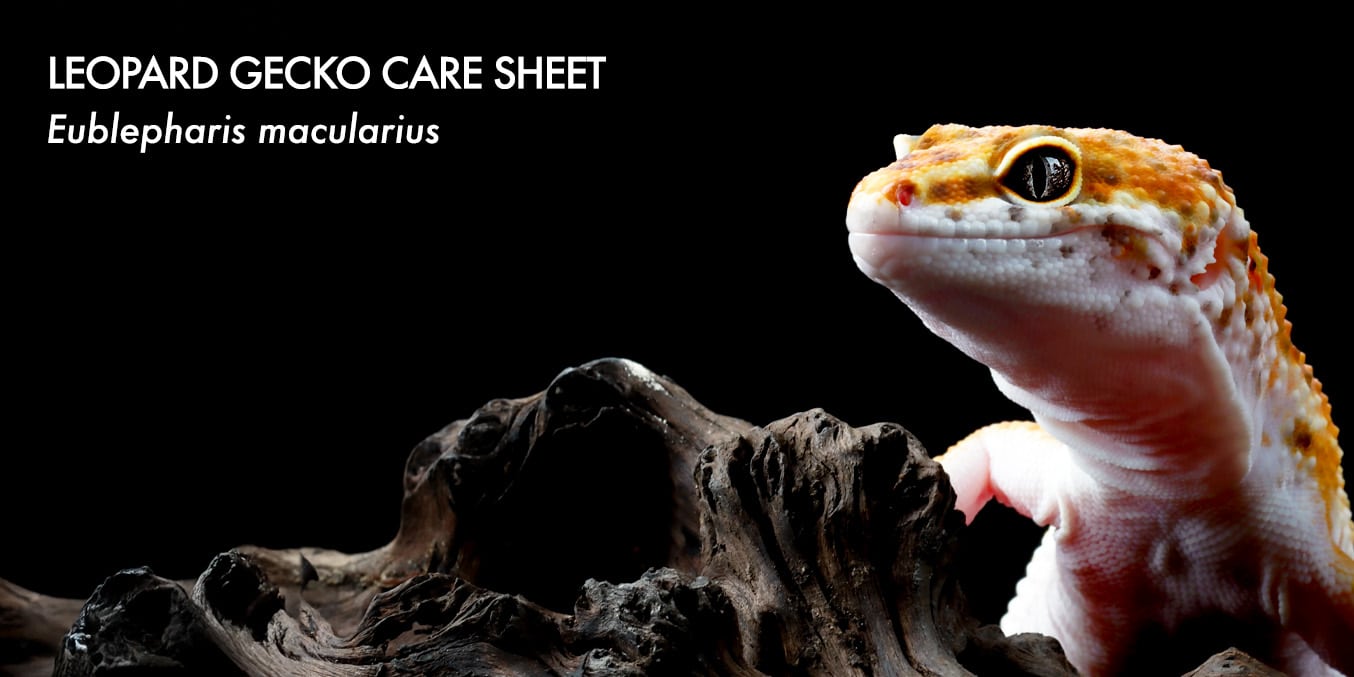
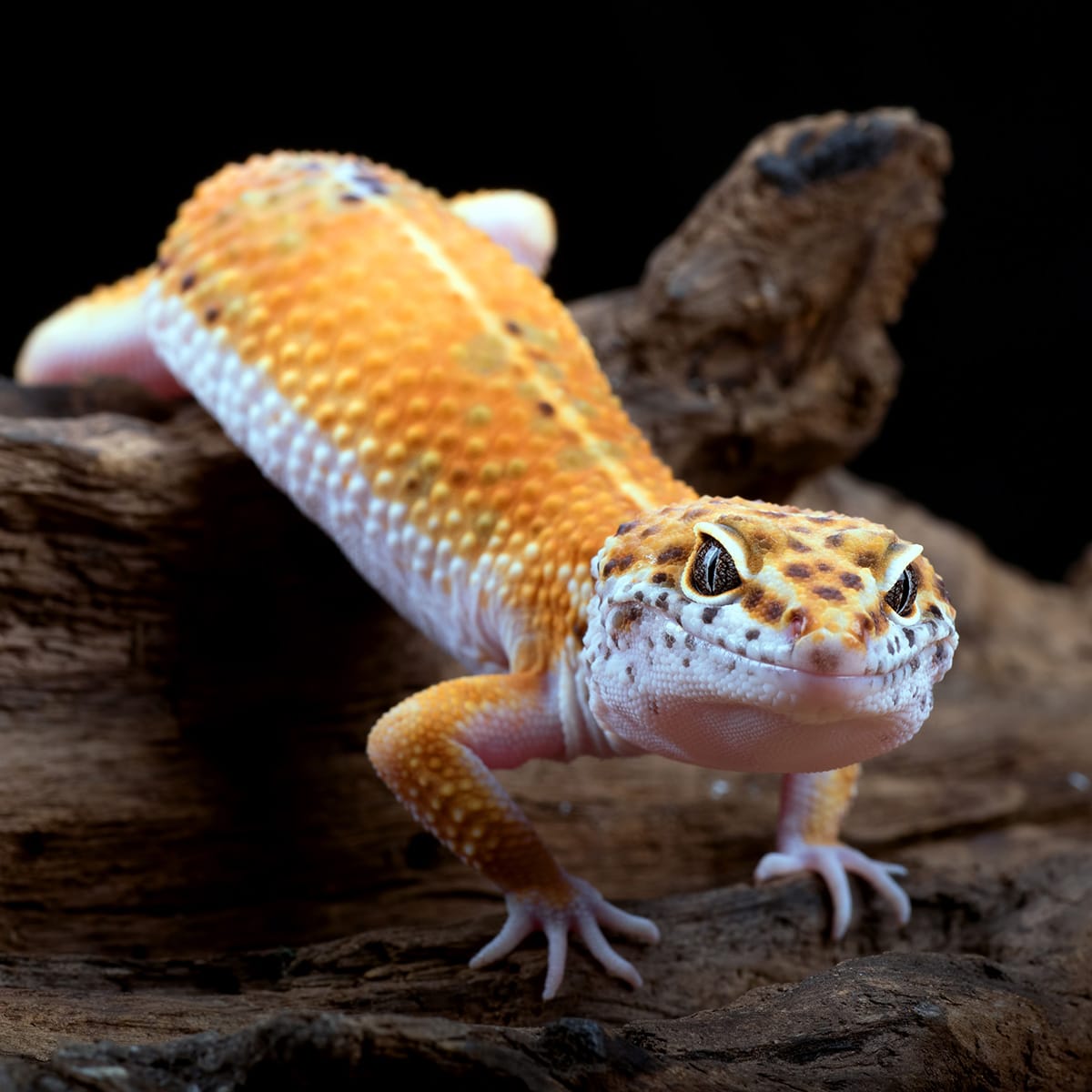
Leopard Gecko – Eublepharis macularius
Leopard Geckos are one of the most popular pet reptiles in the UK, valued for their calm temperament, manageable size, and suitability for beginner keepers.
This care sheet outlines the essential principles required to maintain a healthy, thriving Leopard Gecko, based on modern husbandry standards rather than outdated shortcuts.
At a Glance
Natural History & Behaviour
In the wild, Leopard Geckos inhabit arid and semi-arid regions of Afghanistan, Pakistan, and northern India. They shelter in rock crevices and burrows during the day and emerge at dusk to hunt.
As ground-dwelling, nocturnal reptiles, Leopard Geckos rely on belly heat, secure hides, and stable thermal gradients rather than intense overhead basking. They are solitary animals and should be housed individually.
Understanding their natural behaviour explains their captive requirements: secure hides, correct floor-level heating, low-level UVB, and minimal visual stress.
Enclosure & Environment
Enclosure Size
Leopard Geckos require adequate floor space to thermoregulate naturally.
- Juveniles: Smaller enclosures may be used temporarily
- Adults: Minimum 90 × 45 × 45 cm (3 × 1.5 × 1.5 ft)
- Front-opening vivariums are strongly recommended
Larger enclosures are always beneficial when properly heated and furnished.
Layout & Substrate
A well-designed enclosure should include:
- A warm hide over the heat source
- A cool hide at the opposite end
- A humid hide to support shedding
- Visual cover and low climbing features
Substrate choice should prioritise safety and hygiene. Solid substrates or bioactive systems are preferred. Loose substrates should only be used when husbandry is correct and the animal is well established.
Heating & Lighting
Correct heating is essential for digestion, immune function, and overall health.
Temperature Requirements
- Warm hide: 30–32 °C
- Cool side: 22–25 °C
- Night-time: May drop to 18–20 °C
Temperatures should always be controlled using a thermostat and measured with reliable digital thermometers.
Recommended Equipment Types
- Heat mat or low-wattage heat source (thermostat controlled)
- On/off or dimming thermostat
- Low-output UVB lighting system
Equipment selection should be based on enclosure size, layout, and ambient room temperature.
Lighting & UVB
Although nocturnal, Leopard Geckos benefit from low-level UVB exposure, supporting natural vitamin D₃ synthesis and calcium metabolism.
UVB lighting should:
- Be low output (2–7%)
- Cover part of the enclosure length
- Be positioned at the manufacturer’s recommended distance
- Be replaced at appropriate intervals
Bright basking lamps are not required and should be avoided.
Diet & Supplements
Diet
Leopard Geckos are insectivorous and require a varied diet.
Staple Insects
- Crickets
- Locusts
- Dubia roaches
- Mealworms (in moderation)
Insects should be appropriately sized and gut-loaded
Supplements
- Calcium: Lightly dust insects regularly
- Vitamin D₃ / Multivitamin: Used according to manufacturer guidance
Correct supplementation works in conjunction with UVB — supplements alone cannot compensate for inadequate lighting.
Health, Hygiene and Handling
Cleaning Routine
- Daily: Remove waste, refresh water
- Weekly: Clean bowls and spot-clean enclosure
- Monthly: Deep clean enclosure and décor using reptile-safe disinfectants. suitable F10 veterinary disinfectants →
Good hygiene protects both the animal and the keeper.
Handling
Leopard Geckos generally tolerate gentle handling but should always be approached calmly. Support the body fully and avoid handling during shedding or feeding.
When to Seek Veterinary Advice
Contact a qualified reptile veterinarian if you observe:
- Loss of appetite
- Lethargy or weakness
- Weight loss
- Retained shed
- Abnormal posture or movement
Early intervention is always preferable.
Further Reading
Why Calcium Is Important For Reptiles → Understand the role of calcium supplementation and the vitamin D₃ cycle in supporting reptile bone health and long-term wellbeing.
Understanding UVB Lighting for Reptiles → A clear explanation of UVB lighting, intensity levels, and how UVB supports reptile health in captivity.
Understanding Full Spectrum Lighting for Reptiles → Learn how full spectrum lighting supports natural behaviour, activity patterns, and overall wellbeing in reptiles.
The Light and Shade Method → Learn about the importance of providing reptiles with a correct thermal gradient alongside appropriate UVB and full spectrum lighting.
Choosing The Correct Thermostat → With multiple types of thermostats available, this guide explains the differences and helps you select the most suitable option for controlling reptile environments.
Final Note
A Leopard Gecko kept with correct heating, lighting, diet, and hygiene will reward its keeper with years of calm, engaging behaviour and excellent health.
Investing time in understanding their needs from the outset is the most important factor in long-term success.